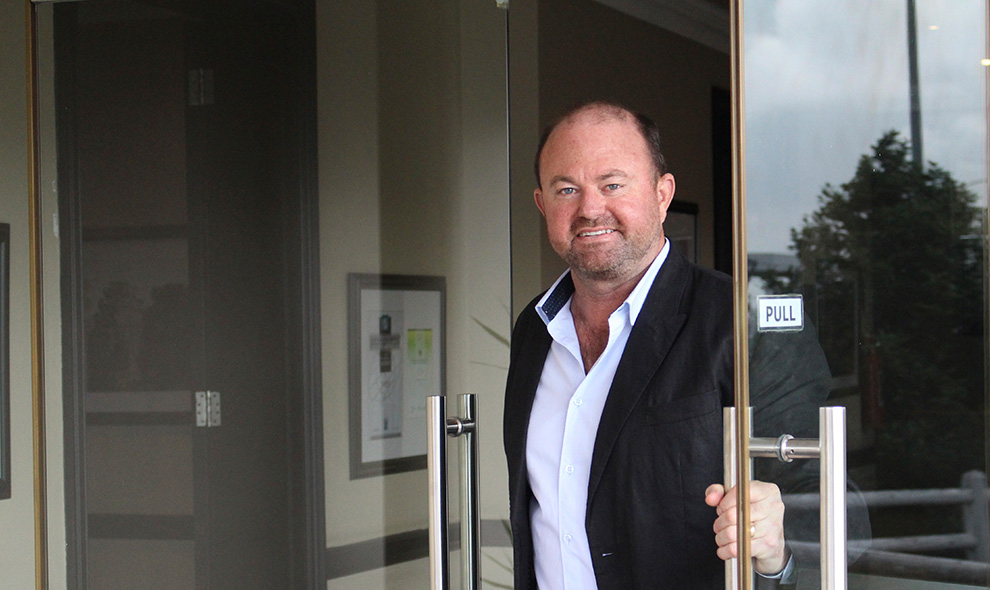
Jeremy Stewart, widely regarded as the doyen of South Africa’s flooring industry, brings decades of expertise to this column. With over 35 years of experience, Jeremy has served on various committees, chaired several industry associations and is a renowned speaker, both locally and internationally, on flooring and surfacing systems. As the owner of a national flooring company, he also serves as chairman of the South African Sports and Play Industry (SASPI) and is a council member of the South African Green Industries Council (SAGIC).
The law and minimum standard re-quirements for playgrounds are in place, yet stakeholders often remain unaware of the legal implications if a child is injured.
This oversight can have serious consequences. Professionals within the built environment carry a legal and moral duty to ensure children play on surfaces that offer protection against falls.
Safety standards
The South African National Standards (SANS) 51176 and 51177 of 2010, available on the South African Bureau for Standards (SABS) website, set out the safety requirements for playground structures and flooring.
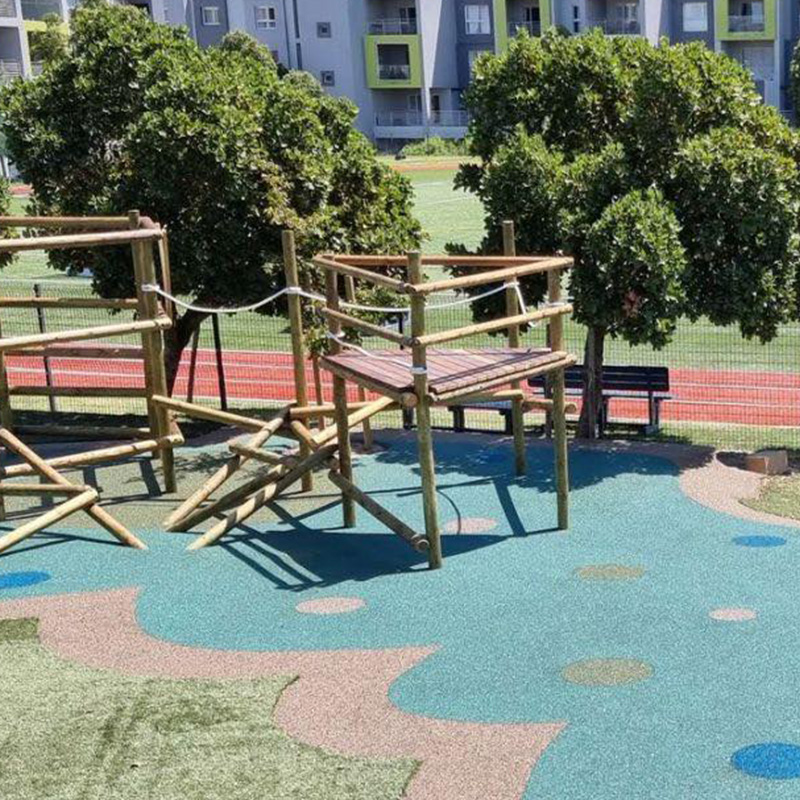
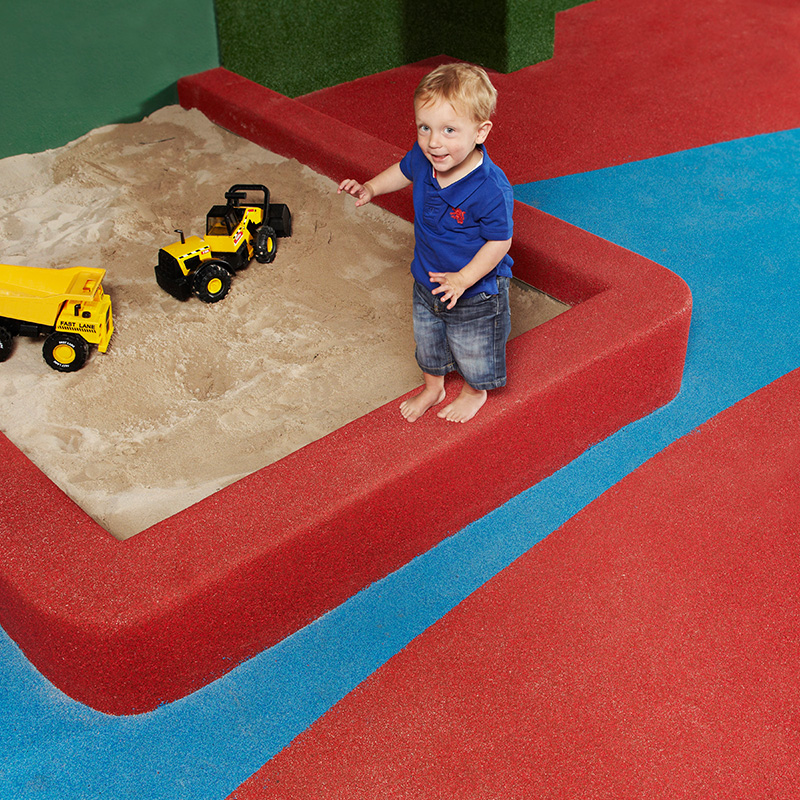
Legislation mandates that all public and private playgrounds must have impact-absorbing surfacing under equipment where the free fall height exceeds 600mm. Non-compliant surfaces include grass, artificial grass ( unless paired with a shock pad), concrete slabs, tar, clay pavers and plain natural surfaces.
Duty of care
These standards, as the minimum standard of care, align with the “Duty of Care” in legal applications. It focusses on reducing the severity of playground-related injuries and fatalities.
Global adherence to playground safety standards has shown a remarkable 80% decrease in serious incidents. This success should not be overlooked. South Africa must address the preventable injuries and deaths occurring in its playgrounds.

For more information contact Seamless Flooring Systems or head over to our contact page